
Featured guides
Start here: open a full article card such as “What is a freight quote?”
Frequently asked questions
Expand an item to read the summary. Follow the link when a deeper guide is available.
What is a freight forwarder?
A freight forwarder helps businesses move goods internationally — booking capacity, documentation, customs coordination, and first/last-mile handoffs. Forwarders may not own vessels or aircraft, but they orchestrate carriers and partners to get cargo from origin to destination.
How are freight rates typically structured?
Rates often combine main carriage with surcharges and extras such as fuel, terminal handling, documentation, customs, trucking, or storage. Incoterms and service scope can make a low headline price look expensive once everything is included — compare like for like and check validity windows.
What are Incoterms?
Incoterms are internationally recognized rules that allocate delivery, risk transfer, freight, and insurance responsibilities between buyers and sellers. Common examples include FOB, CIF, and DDP. Keep contract wording and shipping documents aligned to avoid cost and liability disputes.
What is a Bill of Lading?
A bill of lading is issued by a carrier (or agent) and records cargo details, quantity, and ports. It can act as a receipt and, in many ocean trades, as a document of title. Ocean shipments may use original or telex-release B/Ls; air cargo more often uses an air waybill (AWB).
What is a customs broker?
Customs brokers help importers and exporters file declarations, assess duties/taxes, and stay compliant with border rules. Forwarders often coordinate clearance, but licensing and liability depend on your contract and local regulations.
What is container shipping?
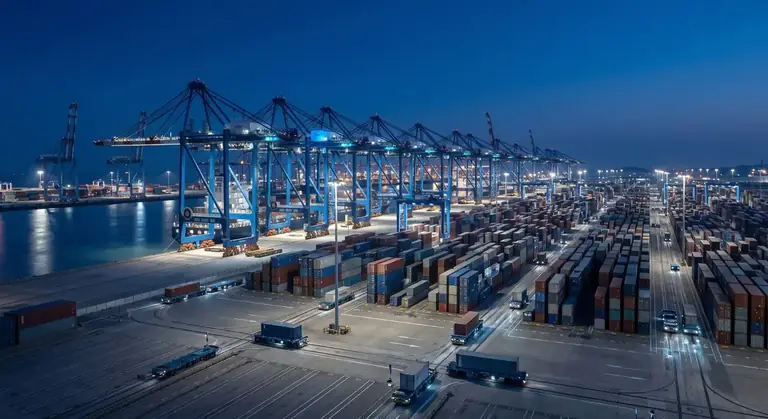
Container shipping moves goods in standardized boxes (for example 20GP or 40HQ) across ocean, rail, and truck networks. FCL suits larger volumes or exclusive-box needs; LCL suits smaller consignments consolidated with other cargo.
When is bulk shipping used?
Bulk shipping typically moves unpackaged commodities — ore, grain, coal, and similar — loaded directly into vessel holds and priced by tonnage or hold capacity. Packaged or unitized freight usually moves in containers or break-bulk services instead.
When does express shipping make sense?
Express and courier air services prioritize speed for samples, urgent parcels, and high-value small shipments. They cost more than ocean but offer faster transit and tighter tracking. Larger air consignments more often move through air forwarders and airport ground handlers.
What should I know about air freight?
Air freight uses aircraft for time-sensitive, temperature-sensitive, or high-value cargo. Charging weight is often the greater of actual and volumetric weight. Also plan for flight frequency, capacity tightness, security screening, and destination clearance.
What is a freight quote?
A freight quote estimates the cost of moving goods so you can budget and compare options. On tjtrans, online quotes are indicative reference offers — final charges and space must be confirmed offline.
Read the full freight quote guideWhat matters in an LTL freight quote?
LTL (less-than-truckload) quotes usually reflect origin, destination, weight, dimensions, freight class, and extras. Share accurate piece/pallet counts, stackability, and pickup/delivery windows to reduce re-rates later.
Why do due diligence before you commit?
Cross-border logistics often involves deposits, document release, and destination handoffs. Verifying company identity, disputes history, contact authenticity, and contracting entities helps reduce fraud and performance risk. Platform listing is not an endorsement — verify independently before you pay.
Open the due diligence guideReady to request rates?
Post an RFQ for matched indicative offers, or browse suppliers in the directory first.